Site Metrics and Web Analytics by NextSTAT
Showing posts with label iPad. Show all posts

Tuesday, January 1, 2013

Evernote Food App Adds Recipe Features, Finally Comes to iPad

Evernote is updating its food app for iPhone and releasing an iPad version just in time for the holidays.

Evernote Food, which launched on the iPhone a year ago, is expanding from its core feature of sharing pictures and notes about meals to being more of a tool to discover recipes. Users can now search through thousands of recipes from food blogs and save them to a personalized cookbook within the app.

In this way, Evernote is competing more closely with the current crop of recipe apps for iOS like Epicurious, Food Network's In the Kitchen and Foodgawker. The perk of using Evernote's app is that it automatically syncs up across your devices, so you can save a recipe on one device and refer back to it from another when you go food shopping.

The updated Evernote Food app also features a new restaurant section that makes it easier to discover and bookmark places to eat nearby the name or type of food and then bookmark them for later.

As the company explained in a blog post Wednesday announcing the new features, "In Evernote Food 2.0 we promise to inspire a full spectrum of food experiences: from recipes all the way to restaurants."

Source : mashable

Sunday, December 16, 2012

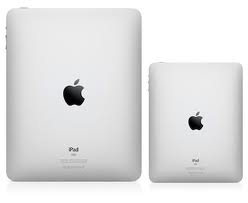
iPad Mini with Retina Display expected next year, 5th gen iPad to be lighter

When Apple introduced the iPad Mini, so as to better compete with the growing number of smaller, cheaper tablets out there, it came with a surprise: a screen that wasn’t a Retina Display. The iPad Mini ships with a 1024 x 768 resolution panel, which equates to a 163ppi density.

It won’t come as a surprise to many that the first update to the iPad Mini is expected to change that. According to sources from the backlighting industry, the next iPad Mini will ship with a Retina Display, and most likely offer a 2058 x 1536 resolution, meaning a 326ppi density.

So when will this new iPad Mini arrive? It’s unlikely Apple would want to release another tablet refresh for a while. Both the 4th generation iPad and iPad Mini were released in November, so we shouldn’t expect an iPad Mini with Retina Display until November 2013. Of course, Apple’s competitors seem to be constantly pushing out new and better models. So how far behind will the iPad Mini be if Apple waits another 11 months before a refresh? It isn’t out of the question that if Apple waits until November next year, that 2058 x 1536 resolution could be commonplace or even superseded.

There’s also a rumor surrounding the 5th generation iPad . Apparently Apple is focused on making it lighter, and with that in mind is moving to a design that only requires one LED bar instead of the two used in the current model. Not only will that save on weight and cost, it should free up some room inside the tablet for other/new components.

Source : geek

Wednesday, December 5, 2012

New iPad 4 vs. iPad 3 for speed and weight (Video)


Christmas shopping is what most people have on their mind right now and you’re either very organized, or have yet to purchase a single gift for a loved one. If you’re considering the new iPad with Retina display, aka iPad 4, and are wondering what the differences are between the new iPad 4 vs. iPad 3, then you’ve come to the right place. Below we’ve included a few videos that demonstrate the speed difference between the 3rd and 4th generation Apple iPad’s. We also take a quick look at the main iPad 4 specs and explain what has changed since the iPad 3, which is perfect if you’re thinking about the new iPad as a gift this year.

The most notable changes are the lightning charging port and faster CPU found on iPad 4. The 4th-gen has an A6X processor that delivers around twice the processing and graphics performance of the previous A5X chip. The three videos below each test the speed difference between iPad 4 and iPad 3, although each review delivers a test in different ways. The first video compares both Apple tablets in four areas, which includes Wi-Fi performance, app load time, web browsing, and boot-up speed.
In the second video you will see the iPad 4 vs. iPad 3 with several heavy-duty games, which focuses on the game launch and load speeds. The third video looks at a number of apps and the speed difference when performing certain tasks like image editing. This is where the increased power of an iPad 4 might really shine, and prove valuable to some people.
How important is the speed difference to you when comparing iPad 4 vs. iPad 3? It is worth noting that there are a number of other differences with the specs, and this includes the 1.2MP HD FaceTime camera on the front of the iPad 4, which compares to a 0.3MP front-facing camera on the iPad 3. Another enhancement is face recognition in videos, although the most notable changes in our opinion will be the charging port and speed differences thanks to improved horsepower. The weight is unchanged at 652g for both Wi-Fi models and 662G for the 4G/LTE option.

Wednesday, November 7, 2012

iPad 5 could replace iPad 4 next year, hints analyst

iPad 3 mockup large

The iPad 4’s stay at the cutting-edge of tablet tech might be as short as five months, an industry analyst forecasts, as Apple becomes embroiled in a slate specs-war with its Android rivals.

At the iPad mini press call earlier this week, Apple surprised tech-watchers by also unveiling a fourth-generation version of its top-end tablet – a mere eight months after the current third-generation iPad hit store shelves.

However, anyone eyeing the iPad 4 when it officially goes on sale next month may want to consider that the latest model might itself be superannuated in a few months time.

That’s because, according to KGI Securities analyst Ming-Ci Kuo at least, the rising tide of rival tablets will put pressure on Cupertino to continue sweetening the appeal of its top-of-the-range slates, with the result that refresh cycles will get much more regular.

That suggests we could get an iPad 5 as soon as early next year - most likely in February, which has until now been marked by a new iPad every year since the first model dropped back in 2009.

In a note to investors, Kuo stated: "Though the iPad mini is expected to be successful, we think launching the lighter, thinner 9.7-inch iPad as quickly as possible matters more for Apple strategically.”

Any new device is however likely to be an iterative update of the iPad 4, which is itself a relatively minor update from the current-gen model.

The slate retains its predecessor’s appearance, and only major changes are the addition of 4G connectivity, twice the processing power via an A6X processor and the same Lightning dock connector as the iPhone 5.

Source : uswitch

Monday, October 29, 2012

Why You Should Hold Onto Your “Old” iPad

If you own a third-generation iPad, you might be feeling a little burned by Apple this week. You’re fine with the iPad Mini the company announced. You saw that one coming. The fourth-generation iPad, though? And just six months after you bought Apple’s last latest-and-greatest iPad? Not cool. Not only are you now carrying around an iPad that doesn’t have Apple’s fastest mobile processor, what used to be an innocent port for the 30-pin connector is now an ugly scar compared to the little bellybutton of a hole for the fourth-gen iPad’s Lighting connector. Oh, and the new iPad has speedier graphics and a better camera, too.

Good news: You can ignore your buyer’s remorse. Your third-gen iPad is awesome. Hell, even the iPad 2 (which Apple still sells, by the way) is still relevant. So if you’re feeling less enamored with your third-gen iPad, stop. And if you’re thinking about ditching it altogether for the fourth-gen model, don’t.

For one thing, Apple’s iOS updates traditionally run on devices at least two generations old. For example, iOS 6, which was released in September, runs on not only the new iPhone 5 but also the iPhone 4S, 4 and even 3GS. Yes, the first-generation iPad, now a little more than two and a half years old, is stuck at iOS 5. But the fact that the iPad Mini runs on the iPad 2′s A5 processor (now two generations old) is a good sign. Apple won’t leave mini users out of any software updates for at least a couple of years. So your third-gen iPad, which has newer hardware components, is even further away from obsolescence.

Another reason to skip the new iPad is Apple’s pattern of product announcements. Before this week, Apple had always launched its iPads in the spring. The first one went on sale in April 2010, the second in March 2011 and the third in March 2012. If Apple sticks with spring iPad launches, that could mean a fifth-generation iPad early next year, which would leave owners of the fourth-gen model right where you are — contemplating the upgrade game six months after purchase. And if Apple waits until next fall to update the iPad line? Then your iPad 3 will be, at most, a year and a half old. You’d still have at least a year of relevance remaining if Apple were to maintain the shelf life it gave the iPad 1. But the likelihood is that these newer iPads will be much more future-proof than the debut model. Even iPad 2 owners are probably better off skipping the fourth-generation upgrade and waiting for what comes after.

Hopefully you’re convinced by now: Unless you own an iPad 1 or no iPad at all, you can skip this one. But if you are absolutely determined to ditch your third-gen iPad for the latest Apple slate, here are a few suggestions on how to go about it.

If cost isn’t and never was an issue for you, you can take your old iPad to an Apple store and donate it to Teach for America‘s iPads for Classrooms program. Local school districts might have their own iPad donation efforts set up too, such as the Lighthouse in the Community iPad Appeal program going on in Connecticut. There are plenty of kids — and adults — who will be blown away by your hand-me-down augmented reality apps, digital-publishing tools, 3-D maps, and on-the-fly video editing.

If that doesn’t work for you, you can always hawk your iPad on eBay or Craigslist, to someone who sees the value in what you’re about to disregard. There’s also the option of businesses that will resell your gadgets for you too — such as Gazelle, NextWorth and iCracked. But even if you resell your iPad, you’ll be doing so at a loss. Even a pristine third-gen 16GB iPad, with the original box, will fetch only about $250, versus the $500 it would have cost brand new just a couple of weeks ago.

Wait, though. If you bought your third-generation iPad within the last 30 days, you may want to call your local Apple store. Employees at the downtown San Francisco Apple Store told Wired that they will accept exchanges for all third-generation iPads that have been purchased within the last 30 days, as long as they’re free of dings, scratches and other signs of wear. But this departure from Apple’s normal 14-day policy doesn’t seem to be companywide. We’ve called other stores that have said they aren’t making exceptions for the third-gen iPad, which lines up with other reports.

Seriously, though, just hold on to your third-gen iPad. It’s still one of best tablets out there.

Source : wired

Wednesday, October 24, 2012

iPad 3 vs iPad 4: the key differences?


IN DEPTH How does the 4th gen iPad stack up against its older brother? 


We thought we knew everything that was coming in today's iPad Mini launch, there were very little surprises. However one thing we didn't count on was the emergence of another "full sized" iPad.

Breaking their traditional annual product cycles, Apple announced its 4th iteration of the iPad series, with the new iPad 3 only hitting shelves in March of this year.

Interestingly, the 4th generation iPad has been released to completely replace the 3rd generation, and has now been named "iPad with Retina display."

So what does the latest generation of iPad bring to the table?

iPad 3 vs iPad 4: Screen

Both the iPad 3 and the iPad 4 come with Apple's Retina display. Although "only" packing 264ppi, unlike the iPhone 5's 326ppi, the iPad's still have market-leading screens.

iPad 3 vs iPad 4: Camera

Apple might not have upgraded the screen, but it did upgrade the front-facing camera. The iPad 3 came with a 0.3MP standard definition offering, whereas the iPad 4 makes full use of the Retina display for video chatting with a 1.2MP HD camera.

iPad 3 vs iPad 4: Processor

Building upon the iPad 2, the iPad 3 comes rocking a dual core A5X processor, with a quad core GPU. However, the iPad 4 packs Apple's latest A6X processor, which Apple says "doubles the performance of CPU tasks."

iPad 3 vs iPad 4: Battery

The iPad 4 comes with a battery that lasts up to 10 hours, but so does the iPad 3. Don't think that this is a bad thing though, we noted in our iPad 3 review that despite the high-resolution retina display, the battery life was "more than acceptable."

iPad 3 vs iPad 4: OS

Apple's latest operating system, iOS 6, was recently launched alongside the iPhone 5, so unsurprisingly it's also featured on the iPad 4. The iPad 3 launched with iOS 5.1 but is upgradeable to iOS 6.

iPad 3 vs iPad 4: Price

With the announcement of the iPad 4, you'd be forgiven for thinking that the iPad 3 would be made cheaper. Apple has different ideas, with the plan seeming to be to phase out the 3rd gen iPad.
The iPad 4 comes in at the same price of the iPad 3, with the Wi-Fi only tablets coming in at £399($US499, AU$539) £479(US$599, AU$649) and £559(US$699, AU$759) for 16GB, 32GB and 64GB respectively. The aptly named Wi-Fi + Cellular versions cost a bit more, at £499(US$629, AU$679), £579(US$729, AU$789) and £659(US$829, AU$899) for the three storage options.

iPad 3 vs iPad 4: Connectivity

The big difference between the two iPad generations lies within their connectivity options. The most obvious of these is the new 8-pin Lightning dock, first announced on the iPhone 5.
This is 80 percent smaller and more durable than Apple's original 30-pin offering. The other major difference is that the iPad 4 (Wi-Fi + Cellular version) comes LTE enabled. The iPad 3 did come enabled with 4G, however, it couldn't be used in the U.K. But, with the introduction of the iPad 4 Brits can also enjoy super fast mobile internet when they're out and about.

Source: techradar.com

Oracle puts Java apps on iPads and iPhones

Oracle has updated its mobile development toolkit, giving coders a relatively simple way to deploy Java-based enterprise apps to iPhones and iPads, as well as Android devices.

iOS does not naturally run Java apps, whereas Android apps are often written in the language. A month ago, Google released a tool for converting Java source code into iOS-friendly Objective C, as a way of helping developers code for both platforms at once.

However, Oracle's updated Application Development Framework (ADF) Mobile extension — unveiled on Monday — uses a Java Virtual Machine (JVM) to support the write-once-for-multiple-platforms concept.

ADF Mobile uses a hybrid mobile architecture: according to Oracle, it offers developers "consistent cross-platform interfaces using familiar web technologies such as HTML5, JavaScript and CSS, while [allowing] deep access to native device services such as the camera, GPS, contacts, etc."

"Oracle ADF Mobile is tightly integrated with the Oracle Fusion Middleware product portfolio, supports Oracle Fusion Applications, and can easily integrate non-Oracle-based applications," Oracle application development tools chief Chris Tonas said in a statement.

ADF Mobile uses the same declarative programming model as Oracle's standard application development framework, and the company says this should speed up development.

Source : zdnet 

Tuesday, October 9, 2012

Rumor: 10 million iPad Minis to be made in Q4


Asian component makers claim to have received orders to make more than 10 million iPad Minis in the fourth quarter, which is reportedly double the number of orders for Amazon's Kindle Fire.
 
This claim comes from The Wall Street Journal, which earlier in the month revealed how the same component suppliers have already started producing Apple’s 7.85-inch tablet.

The tablet, to date going by the name of the iPad Mini, is believed to have an A6 processor, 8 or 16GB of memory and run Apple’s latest mobile operating system, iOS 6. The tablet is also expected to have 3G connectivity.

According to Fortune, the tablet will be announced on October 17, with sources telling TabTimes that the model will sell for between $249 and $329.

Source: tabtimes.com

Saturday, October 6, 2012

Three things Apple needs to get right with the iPad mini

Mass production of Apple's fabled iPad mini has allegedly begun, and while there hasn't been a single official word uttered about this by anyone at Cupertino, this hasn't stopped the endless speculation. Well, time for some more speculation and prognosticating.

Here are three things Apple will need to get right if this new class of device is to succeed.


Price

Price is going to be critical, and Apple hasn't left much room for any iPad mini it its lineup. It has to fit into a catalog that consists of the iPad 3 that starts at $499, the iPad 2 that retails for $399, and the iPod touch -- Apple's iPhone without the phone -- that also starts at $299.

Apple's decision to price the iPod touch starting at $299 doesn't leave much room for the iPad mini. Would the market support a price of $350 when a full-sized iPad 2 costs $399, and the latest model only another $100? Since Apple firmly believes that its loyal customers will pay $40 for a cable or $9 for a wrist strap, then maybe people will, without question, pay whatever it says on the price tag for an iPad mini.

But still, if the best Apple can offer the iPod touch -- with its 4-inch screen, 5-megapixel camera, and 32GB of storage -- is $299, then it's hard to see the iPad mini, with its 7.x-inch screen (where the x is an unknown), coming in cheaper.

Differentiation

I firmly believe that if the iPad mini is to be a success -- assuming that we ever see such a device -- then there has to be more to it than being just a smaller iPad. If the difference is no more than having to choose between an iPad with a 9.7-inch screen, and one with a 7.x-inch screen, then I can see price being the deciding factor.

To many people, the choice of a tablet with a screen "about 9 inches across" and another with a screen "about 7 inches across" is going to come down to price. This is because those two inches don't seem important. I know that Apple sell MacBook Pro and MacBook Air systems in 2-inch increments, but differentiation in CPUs, RAM, GPUs, and storage mean it's not a straight decision between one screen size and another.

The iPad mini needs to be more than just a mini iPad.

User interface

While it seems that even former Apple CEO Steve Jobs was "receptive" to the idea of a 7-inch iPad, it's going to take effort to get the user interface right. What works on the iPhone with its 4-inch screen, or the iPad with the 9.7-inch screen, won't necessarily work for a device with a 7.x-inch screen.

Back in December of 2011, a Nielsen Normal Group report claimed that Amazon's Kindle Fire Android tablet "offers a disappointingly poor user experience". The problem came down to the screen, and how it awkwardly fell into the gap between a smartphone and a tablet.

The Nielsen Normal Group's conclusions were harsh:

For 7-inch tablets to succeed, service and content providers must design specifically for these devices. Repurposed designs from print, mobile phones, 10-inch tablets, or desktop PCs will fail, because they offer a terrible user experience. A 7-inch tablet is a sufficiently different form factor that it must be treated as a new platform. Furthermore, these mid-sized tablets are so weak that suboptimal designs — that is, repurposed content — won't work. Optimize for 7-inch or die.
Because the iPad currently commands 70 percent of the tablet market, we've not seen a lot of content optimized for 7-inch tablets.

The bottom line

When Apple unveiled the iPad two and a half years ago, it was a very different world. Tablets weren't new, but the idea that a tablet could go mainstream was. Microsoft had tried, and failed monumentally, for over a decade, and tablets seemed destined to be niche products.

Apple changed this.

Now the market is different. Apple may have grabbed 70 percent of the market, but it's now a busy and contently evolving market. Players like Google and Amazon have marked their territory, while Microsoft is hoping that there's room for Windows 8-powered slates.

There's no doubt that Apple has the Midas touch, and anyone who bets against the Cupertino juggernaut is a foolish person, but the iPad mini could be under greater and more immediate pressure than the iPad was when it was born.

Source : zdnet

Wednesday, October 3, 2012

The iPad Mini Already in Mass Production in Asia [REPORT]

Apple’s Asian suppliers have started mass production of the smaller version of Apple’s iPad tablet, the Wall Street Journal reports.

Two sources claim the iPad mini — as it may or may not be called — will have a 7.85-inch screen with a lower resolution than the current iPad model.

The device’s screen is made by South Korea’s LG Display company and Taiwan’s AU Optronics, claim WSJ’s sources.

Why Apple would launch a smaller iPad, when Steve Jobs maintained a 7-inch tablet screen would be too small? Well, a heated competition from Android-tablet makers and a more affordable price point compared to the standard, 9.7-inch iPad, are two solid reasons.

As is usual with Apple rumors, none of this has been officially confirmed in any way, shape or form. Still, the rumor mill predicted even the date when this new device would be unveiled: Oct. 17. 

Source : mashable

iPad Mini: Why I am buying one as soon as possible


JK Tablets (600x262)

You could say tablets are in my blood. I have been using them for over a decade, starting with the old-school Tablet PC. I have traded up more often than I care to admit and currently own four tablets.

My love of the tablet caused me to jump on the first iPad at launch. It also prompted me to get the first Android tablet, the Galaxy Tab. That tablet first exposed me to the benefits of a 7-inch tablet. 

More recently I picked up a third generation iPad which is an outstanding tablet. I use it for both leisure activities as you would expect for a tablet, but also to get real work done. 

When Google started selling the Nexus 7 I wasted no time grabbing one. I already knew how useful a smaller tablet can be, and the Nexus 7 hasn't disappointed me in that regard. Even though I still use the iPad quite a bit, more often than not I end up grabbing the Nexus 7.

The improvements Google incorporated into the latest version of Android, Jelly Bean, go a long way to making the Nexus 7 work well. The Project Butter features in Jelly Bean finally bring a smooth operation to Android. I have used the Nexus 7 heavily since buying it, with no complaints.

So why am I planning on buying an iPad Mini as soon as possible?

To tell the truth I only came to this decision recently. I used only the Nexus 7 for a week not long ago with no issues. This was not a conscious decision, I simply ended up grabbing the Nexus 7 instead of the iPad due to the more comfortable tablet size.

I spend a heck of a lot of time using a tablet and the smaller Nexus 7 is more comfortable to use. I can do everything I want with it and hold it for long periods. It's just the right size for extended use.

When I realized it had been days since using the iPad I started picking up the iPad instead of the Google tablet. The more I used the iPad the more firmly I realized how much better the experience is compared to the Nexus 7. While I have good apps on both Android and iOS, the iPad apps are better at what they do. The interface of every app I use on the iPad is better than the equivalent app on Android. The features of the iPad apps are carefully tailored to fit the interface, more so than the Android equivalents.

The iPad operates more fluidly than even Jelly Bean on the Nexus, and it never frustrates me with lags or interruptions. The more I use the iPad the more I realize the only reason I have been picking up the Nexus 7 is due to the more comfortable size of the latter.

It hit me squarely that if there was a smaller iPad I would not ever be using the Nexus 7. While the Android apps are good and the Nexus operation is OK, a smaller iPad would be better in every way.

This is not the first time I have come to realize how much better the iPad is than the Nexus 7 for me, but the fact it's a recurring observation is telling. No matter how much effort I put into Android and the Nexus 7 it keeps falling short.

This is strictly my opinion and not intended to persuade anyone to do anything. I firmly believe everyone should use the device that fits their own needs and that they enjoy using. My opinion is not based on speculation, this is my observation formed after hundreds of hours of using both the iPad and Android tablets. While the Android tablets are not bad, the iPad is simply better for me in every way. 

Apple has not admitted there will be an iPad Mini, but I sure hope it produces one. It will be a product I will buy as soon as it goes on sale, and that's a rarity for me. I would gladly pay double what I paid for the Nexus 7, which says a lot. I am probably not alone in how badly I want an iPad Mini.

Source : zdnet

Saturday, August 18, 2012

Does the "Sent from my iPad" email signature make you seem unprofessional?

The often incendiary, but just as often sincere, Kevin Michaluk of CrackBerry.com followed up a recent, provocative Tweet with an editorial saying no one who uses an iPad should ever leave a "Sent from my iPad" signature -- or any tablet signature for that matter -- on their email. While it might be tempting to dismiss Kevin's advice, he argues his position on CrackBerry.com well:

In general, you're replying to emails from a mobile phone because you have to. You're away from your computer. As for tablets -- especially in the business use case I'm focusing on here -- if you're writing a long email on your tablet it's because you choose to, not because you have to.

Unlike the default signature on the phone, which subconciously tells the recipient you're responsive all the time and from everywhere (a good thing), the same isn't true of the tablet signature. To me, and the many others who have expressed agreement with my viewpoint, it gives off the appearance that you're a person who doesn't value your time. If you did, you'd head to a computer and pound out that email wayyyyy faster. Time is money. And if you're a person I'm paying to provide services, the last thing I want to see is time wasted.

Of course, there are exceptions. YES, some people are mad fast at typing on glass. YES, you can use bluetooth keyboards with your tablet and speed things up a lot. YES, you may have to use a tablet for work and do not have a computer alternative to go to. But these are exceptions, and your default tablet email signature does not reflect those exceptions.

Kevin also argues that having "Sent from my [anything]" is basically giving the company whose product you bought free advertising. Depending on who you are and who your contacts include, that kind of brand marketing can be incredibly valuable for them. And you paid for that privilege.

So I get it. Why broadcast what you're using to respond to an email when it doesn't add any value to you, and provides free advertising to a company you already paid $500 to almost $1000.

Like most things, however, it's more nuanced than that. Apple products have a certain cachet. Especially when a new product launches, it's not uncommon for people to want to show off that they have it -- including highly productive people like CEOs and high profile people like celebrities.

iPads are also popular in education and enterprise, including health care, insurance, and other verticals where the tablet form-factor is a huge advantage. If IT departments don't change the signature during provisioning, "Sent from my iPad" is what a lot of highly productive people's emails are going to say, and I'm not going to read anything into that other than that's what their email signature says.

Still, Kevin's point has merit. Information is power, and the less information you give out, even if it's just an email signature, the less power you give up, even if its just perception (or misperception).

Check out Kevin's entire rant on the subject via the link below and then come back and tell us what you think -- "Sent from my iPad" or no "Sent from my iPad", what do you prefer?

Source : imore.com

Thursday, August 16, 2012

New cloud service offers Microsoft Office 2010 on the iPad

Summary: Don't hold your breath waiting for Microsoft's Office apps to arrive for iOS. Virtualization is your best bet and a new service offers full Word, Excel and PowerPoint on your iPad without installing an app.

New cloud service delivers full Office 2010 on the iPad - Jason O'Grady

Are you looking for a way to get the real version of Microsoft Office on your iPad? Yeah, me too.

There are plenty of Office clones on the App Store and Apple's iWork suite (Pages, Numbers and Keynote) is a servicable option for natively authored documents. But what about that killer Excel spreadsheet from the office, or the edited manuscript from your publisher? Most complex Office documents will lose functionality and features in clone apps running on iOS and they'll get completely munged in a roundtrip through Apple's iWork.

OnLive Desktop showed lots of promise initially, but when its virtualized Windows 7 and Office apps ran afoul of Microsoft's licensing requirements it was forced to revert to Windows Server 2008 R2, which made it a sub-standard tablet experience.

Luckily there's another alternative to access, edit and share native Microsoft Office 2010 documents on the iPad (and any platform for that matter). It's called InstallFree Nexus and it's coming out of beta this week. 

While the name is unfortunate (given the similarly named line of products from a tiny search engine) the product itself is very capable and quite mature. Unlike other products which require that you download an app, InstallFree Nexus isn't an app, it's completely cloud-based which means that it can be accessed through any web browser -- most notably via Mobile Safari on an iPad.

Here are a list of the gestures available in Nexus on the iPad:

InstallFree Nexus iPad Gestures - Jason O'Grady

Nexus uses virtualization to serve the same version of Office to everyone who is using the service, regardless of platform or device. File storage is handled by integrations with DropBox, Google Drive, Box, SkyDrive and Office 365. Files can be shared and collaborated on in real time and moved from one service to another.

When it launches at the end of August Nexus will be available in two flavors:

InstallFree Nexus Basic

  • The full LibreOffice (formerly OpenOffice) application suite for creating and editing documents from any device or browser
  • Full-fidelity viewing of Microsoft Office files
  • Seamless integration with Dropbox, Google Drive, Box, SkyDrive, SharePoint, Office 365 and other storage services
  • Free
InstallFree Nexus Premium
  • All the capabilities available in Nexus Basic
  • Microsoft Office 2010 (Word, Excel, PowerPoint and Publisher) subscription license
  • $4.99 per month / $49.99 per year for academic licenses
  • $19.99 per month / $199.99 per year for standard licenses
Nexus currently has more the 30,000 beta testers that have been using the service for five months. The product is coming out of beta this week but if you sign up now you'll receive free 60-day access to the premium version. You can get started quickly by logging in with your existing Dropbox, Google, Box or SkyDrive account.
As a lifelong Mac user I can't afford to wait for Microsoft to release an iOS version of Office. Nexus is a promising solution that delivers the full power of Microsoft Office on the iPad today.

Source : zdnet.com


iPad Mini? Nah, here comes the iBook

Summary: Rumors are swirling about the iPad Mini that Apple will soon release upon the buying masses. For Apple to enter the previously shunned small tablet market there must be a valid business reason. Pushing the iBook store would be that reason, and with the new iBook tablet even more so.

No company generates rumor-mongering and speculation like Apple. Whenever circumstances start pointing to a new Apple product, the pundits go mad with speculation. The rumor of a smaller iPad, or iPad Mini, has even hit the major news outlets. The pundits are weighing in with thoughts on what the little iPad will look like.

ipadminivstheworld

What few are discussing is why Apple might enter the small tablet space following the Nexus 7 by Google. Reviews of the Nexus 7 have been positive, and some believe Apple will enter that space to knock the Nexus 7 off its small tablet pinnacle.

See also: Will Apple really announce a thinner, lighter, and narrower iPad mini in Septermber?

You never know what is going on at Apple, but there is one business area where a smaller iPad not only makes sense but fits in with business at Apple. A smaller iPad would be perfect as an ebook reader, one that let Apple make a big push with its iBooks.

The iBooks have been around for a while, but haven't made a dent in the Amazon Kindle business. Even the Nexus 7, although a Google product, is no doubt resulting in lots of Kindle books being purchased from Amazon due to the Kindle app.

It makes good sense for Apple to release the smaller iPad to go after the ebook crowd. While the bigger iPad is a fine ebook reader, a smaller form factor is much better for reading books on the go.

Even though the smaller iPad would run the same apps as the bigger sibling, selling it as an ebook reader would give Apple the opportunity to really push its iBook content. I can see the ads now, happy people reading iBooks on the new little iPad. Apple could even call the new iPad the iBook. That would be a smart move.

The new iBook could be sold as a full iPad with benefits. Namely, the ability to take it everywhere and read the thousands of books in the Apple store. The iPad could be touted as the textbook device of choice and the iBook for more leisurely pursuits.

I can see the ads now, typical Apple fluff pushing the iBook as the best ebook reader on the planet. Oh, and it runs the millions of iPad apps, too. No genius required.

It would fit Apple's strategy like a glove, and I guarantee Apple would sell 10 million iBooks in just a few short months. Perhaps even by the holiday season.

Source : zdnet.com

Monday, August 13, 2012

Why Apple doesn't need a 7-inch iPad

Google's launch of the "Jelly Bean"-powered Nexus 7 has reinvigorated the discussion that Apple needs to augment the 9.7-inch iPad with a smaller 7-inch model.

However, just because Google does something doesn't mean that Apple needs to follow suit.

According to Patrick Moorhead, president and principal analyst of Moor Insights & Strategy, Apple needs a 7-inch tablet because without one the Cupertino giant face the prospect of losing market share and profit dollars.

"The Google Nexus 7 will sell well," writes Moorhead, "which is good for Google, Android, ASUS and NVIDIA, but bad for Apple, unless they act before the holidays".

Here I agree with Moorhead. Amazon's 7-inch Android-powered Kindle Fire has seen great success despite the fact that it remains a very basic tablet. In fact, while the Kindle Fire has undoubtedly stolen market share from Apple and its iPad, the biggest casualty of Amazon's tablet has been other Android tablets.

In the space of just a few months, the Kindle Fire became the most popular Android tablet, capturing 54 percent of the market and hammering the competition into the ground.

Moorhead also believes that Apple could find a 7-inch tablet profitable:

"Apple would be very profitable as well, as the most expensive piece-parts of a tablet are the display and touch-screen, which are priced somewhat linear with size. Apple may have redesigned some of the innards of the new iPad 2 as they lowered the price, but not nearly enough to offset the $100 price reduction, so a mini-iPad would be additive, not dilutive like the $399 iPad 2."

Let's put on one side for the moment the whole subject of how and why 7-inch tablets suck because the user interface is too fiddly and most content is either designed for 10-inch tablets or smartphones and concentrate on a single issue: price.

There's a price war coming. Amazon defined the budget-end price of 7-inch tablets with the Kindle Fire at $199, but now that Google has entered the market with the Nexus 7, and priced this far superior tablet also at $199, Amazon only has one line of attack open -- slash the price further.

Think that it's not possible for Amazon to cut the price of the Kindle Fire any further? Think again.

Last week a rumor surfaced claiming that Amazon was preparing to both unveil an updated Kindle Fire 2 tablet while slashing the price of the existing Kindle Fire to $149.

And this is why Apple doesn't need a 7-inch iPad.

The 7-inch tablet market is already racing to the bottom, and while there's no doubt that Google and Amazon are going to capture market share, it will be at the detriment of higher-priced Android tablets. We've already seen how effective the Kindle Fire has been against the Android-powered competition, and the Nexus 7 is just going to make it even harder for Android tablet OEMs to carve out a market.

All Apple has to do is sit back, watch while Amazon and Google simultaneously annihilates the competition and drives the price of Android tablets into the ground, and keep making 9.7-inch iPads and selling them at a healthy 30 percent profit margin.

Source : zdnet.com

Saturday, August 4, 2012

Here's Apple's e-mail thread about a 7-inch iPad


Apple may not have a 7-inch version of the iPad available, but a newly unearthed piece of evidence shows the company's top brass was into the idea.

SAN JOSE, Calif. -- One of the highlights of Apple and Samsung's day in court today was the release of an internal e-mail in which top Apple executives discussed interest in a smaller version of the iPad.
This made up just a very small part of a cross-examination of Scott Forstall, Apple's head of iOS software at Apple, but it was enough to get the attention of just about everyone here.

At the heart of it is proof that some of the top executives at Apple were pursuing an alternate, smaller tablet -- something controversial given late Apple co-founder Steve Jobs' acerbic, on-the-record comments about smaller tablets following the release of the company's first iPad. Jobs was known to flip-flop on major ideas, and misdirect about potential business avenues, though his comments about smaller tablets suggested the company would never go that direction.

That's not the impression one gets from the e-mail exchange below, between Eddy Cue, head of Apple's Internet software and services, and top executives regarding a story in GigaOm entitled "Why I just dumped the iPad (Hint: Size Matters)":

(Credit: Samsung)
 
In it, Cue writes to current Apple CEO Tim Cook, iOS software chief Scott Forstall, and marketing chief Phil Schiller, while mentioning a conversation with then CEO Steve Jobs (emphasis mine):
Having used a Samsung Galaxy, I tend to agree with many of the comments below (except moving off the iPad). I believe there will be a 7" market and we should do one. I expressed this to Steve several times since Thanksgiving and he seemed very receptive the last time. I found email, books, facebook and video very compelling on a 7". Web browsing is definitely the weakest point, but still usable.
Not to be ignored is the point Samsung was trying to make with the e-mail, which is that Apple keeps tabs on the products of other companies. In this case, it's that the smaller tablets of others might not be as bad a thing as Jobs once suggested. With Apple accusing Samsung of "slavishly" copying the iPhone and iPad, Samsung is using this exhibit as proof Apple takes a cue from competitors as well.
The two companies are back in court Monday morning with more testimony from Apple's side on the schedule.

Source: news.cnet.com

Wednesday, July 18, 2012

The Earliest Photos of Apple’s iPad Hit the Web


Apple may have debuted the iPad in April 2010, but according to newly surfaced photos, the company started working on a tablet prototype in the early 2000s.

Thanks to released documents from an ongoing patent battle between Apple and Samsung, early pictures of the iPad from as possibly far back as 2002 have hit the web.

First discovered by NetworkWorld.com, the prototype is visibly thicker than the iPad model that launched in 2010 — likely due to tech advancements made within that holding time. Although a home button also doesn’t appear on the tablet, Apple’s logo is emblazoned on the back.

In a deposition from December 2011, Jonathan Ive — senior VP of industrial design at Apple — was asked by Samsung if he had previously seen an iPad prototype referred to as “035.” [Check out the gallery above for the mockup images].

“My recollection of first seeing it is very hazy, but it was, I’m guessing, sometime between 2002 and 2004,” he said. “I remember seeing this and perhaps models similar to this when we were first exploring tablet designs that ultimately became the iPad.”

Ive was asked more questions about the prototype, such as whether an internal or third-party group made the prototype, but he said he couldn’t recall specifics.

“I actually don’t know which model shop made this, but I recognize this as a model that was produced during our exploration,” he added.

Although the iPhone launched in 2007 — three years before the iPad — Apple CEO Steve Jobs once said during an All Things D conference in 2010 that the concept of a tablet came years before the iPhone.

“I’ll tell you a secret — it began with the tablet,” he told attendees. “I had this idea about having a glass display, a multitouch display you could type on with your fingers. I asked our people about it. And six months later, they came back with this amazing display. And I gave it to one of our really brilliant UI guys. He got [rubber band] scrolling working and some other things, and I thought, ‘my God, we can build a phone with this!’ So we put the tablet aside, and we went to work on the iPhone.”


What do you think of the early photos?

Source : mashable.com

Now you can control Xbox 360 through iPad (Video)


The Apple App Centre has been updated with the My Xbox Live app by using which you can control your Microsoft Xbox 360 directly through an iPad. This app was already out in the woods from quite some time, but it was only compatible with iPhone only, while now the updated version of the app hosts support for the mighty iPad, too.

Android did this way back a month before by introducing their Google Play App for the same purpose. But the android version of the app is only limited to smartphones and it also has some other restrictions as well which makes it a no-go when compared to the iOS version of the app.

With the latest iOS edition of this app, you can possibly do whatever you want with your Xbox 360 through an iPad/iPhone. The configurable settings are pretty adjustable and easy to get around with. Just connect your iPad with Xbox 360 and rock your gaming world!
And oh yes, I forgot to mention, there are some bug fixes as well for the iPhone users. So don’t feel envy of your iPad friends. Watch the gameplay video after a short break:


Source: digg.com

Tuesday, July 17, 2012

Is it Finally Time for a Smaller iPad?


I’ve been a strong skeptic of the “iPad mini” rumors that have been going around. I didn’t think that Apple would feel the need to compete with the likes of the Kindle Fire and the Nexus 7. I didn’t think that Apple would want to introduce a cheaper alternative to the already dominant iPad and risk cannibalizing its own sales with a less-profitable device. But I’m a reasonable person, I know when it’s time to stop trusting my gut.

I knew the rumors might actually carry some weight when MG Siegler, John Gruber, and Marco Arment all began talking about the iPad mini as a likely product, but these guys can still be wrong. They can get bad hunches or bad information. Now though, information has apparently leaked directly from Apple to Bloomberg, The Wall Street Journal, and the New York Times. That pretty much seals the deal, it’s only a matter of time before we start seeing blurry photos of iPad mini parts.
The available information isn’t too specific yet, but there are some agreed-upon details. The new iPad will be “between 7 and 8 inches” (which fits with more specific rumors of a 7.85-inch device) and will cost significantly less than the current iPad. Production should be ramping up soon.

Nobody has been too specific about price, but I imagine the device would fall somewhere in the $250-$300 range. Google and Amazon are selling their tablets on razor-thin margins in hopes of making a profit on the content and apps they sell. Apple tends to go with the opposite strategy, they make their money on hardware and use software and content to make their hardware more attractive. Because of that general strategy, I doubt Apple will try to match the Kindle and the Nexus 7 on price. Plus, Apple is unlikely to cut corners by using cheaper materials. It would also seem strange to sell an 8” tablet for the same price as the iPod Touch which currently occupies the $199 price point, but Apple could always reduce the price of the Touch.

On the other hand, Apple may be able to build their tablet for less than Google and Amazon because of Tim Cook’s deft management of their supply chain. Apple’s use of similar materials across products (aluminum and glass) is more than a stylistic choice and they have been producing iPads, iPhones, and iPod Touches in volume for quite some time now. It’s possible that they could pull off a lower price point than one might expect.

The other big question is timing. Will Apple be able to ramp up production in time for the holiday shopping season? I can’t imagine they would let this much information slip about they don’t plan on shipping this year. Apple typically releases iPod updates in September/October or January/February, but they typically hold to tradition only when it serves them. I wouldn’t be too surprised if we saw a November release.

In any case, keep your eyes open and, if you’ve been eyeing the Kindle Fire or Nexus 7, you might want to keep that credit card pocketed for now.

Source: digg.com

Monday, July 9, 2012

iPad Mini: is it just wishful thinking?


Or another killer product? Or, on the pessimistic side, a loser defensive move showing Apple's fear of competitors such as Amazon, with its Kindle Fire, and Google's 7in Nexus tablet?
Recent leaks from purported sources inside Apple's traditional suppliers have ignited a new frenzy of speculation. And not just from the usual blogging suspects – often better informed and more insightful than the official kommentariat. BusinessWeek and the Wall Street Journal both stuck their august necks out: the so-called iPad Mini will be launched this coming September.
On this matter, my own biases are on the record.

In an August 2009 Note titled Apple's Jesus Tablet: What For?, I went as far as measuring the pocket on men's jackets. As a result, I posited a 10in (diagonal) tablet might not provide the same desirable ubiquity as a 7in one that men could carry in a coat or jacket pocket, and women in a purse.
(Apple once came to a similar conclusion: the original Newton project started by Steve Sakoman in 1987 was a letter-size tablet. After he and I left, the screen size was cut in half and the actual Newton came out as a pocketable product.)

Five months later, on 27 January 2010, Steve Jobs stood up and changed the personal computing world for the third time with the 9.7in (diagonal screen size) iPad. The take-no-prisoners price ($499 for the entry model) was a big surprise. Another one, much less obvious, was Dear Leader's unusually tentative positioning statement:"'We'll see how the iPad finds its place between the iPhone and a MacBook." (I'm paraphrasing a bit but the tone was there.)
The iPad surprised many, Apple included, and at the beginning was often misunderstood. I recall my initial disappointment at not being able to perform the same tasks as on my laptop. A huge number of normal humans of all ages thought differently. As we know now, the iPad grew even faster than the iPhone. Notwithstanding Microsoft's clinging to its ossified PC-centric rhetoric, this turned out to be the true beginning of the post-PC era.
This excited competitors around the world: you'll find here a list of 76 tablets announced at CES. By the end of 2011, few had accomplished anything. One exception was Amazon's Kindle Fire; its Christmas season were rumoured to reach more than 4m units, even 6m by some rumored estimates. This rekindled, sorry, rumors of a smaller iPad.
In October 2010, Jobs famously dismissed the idea: "7in tablets should come with sandpaper so users can file down their fingers." None of the journalists present at the time had the presence of mind to ask him about the iPhone screen…

Tim Cook, Steve's disciple put it well at the D10 conference last June when he affectionately (and accurately) called Jobs a great flip-flopper, citing examples of products features his then boss ended up endorsing after repeatedly nixing them.
In an April 2012 Monday Note, I discussed the possible end of Apple's One Size Fits All for iPhones and, in particular, iPads. There, I linked to an A T Faust III post lucidly explaining how the original 1024 x 768 resolution could easily scale down to a 7.85in tablet and achieve a nice 163 ppi (pixels per inch) resolution, the same as pre-Retina iPhones. This leads one to believe there is abundant (and inexpensive) manufacturing capacity for such pre-Retina displays.
A few questions.

First, developers. As we saw with iOS apps for iPhone and iPad, size matters, apps don't scale. That hasn't dampened the enthusiasm of developers for investing in app versions that take advantage of each device unique characteristics, as opposed to committing the cardinal sin of "it's like the other one, only smaller/bigger''.

So, if developers believe a 7in iPad would sell in large numbers, they'll happily fire up Xcode, adapt their existing app, or write a new one. As for the belief in large unit volume for a 7in device, the initial reception accorded to Google's Nexus tablet shows there is potentially a lot of life in a smaller iPad.

(I ordered a Nexus tablet and will dutifully report. Last April, I bought a Samsung Note phablet and promised a report. Here it is: I'll sell you mine for $50. A respectable product, I could definitely live with it. But, IMO, too big for a phone, too small for a tablet.)
Second, Apple was on the offensive. Now, competition succeeded in putting it on the defensive. While initial Kindle Fire sales were rumored to be huge, the same "sources", checking on display supplier suppliers, now claim sales of Amazon's tablet dropped precipitously after the holidays. Amazon keeps mum, but is also rumored to prepare a slew of not one but several tablets for this year's Xmas quarter.

As for the Nexus tablet, it isn't shipping yet.
Instead of a defensive move, I think a 7in iPad might be another take-no-prisoners move:
From the very beginning of the iPad and its surprising low $499 entry price, it's been clear that Apple wants to conquer the tablet market and maintain an iPod-like share for the iPad. Now that Apple has become The Man, the company might have to adopt the Not A Single Crack In The Wall strategy used by the previous occupant of the hightech throne.
If this cannibalises 10in iPad sales, no problem, better do it yourself than let Google, Amazon or Samsung do it.

Lastly, the price/cost question. As you'll see on this video, Todd Schoenberger, a Wall Street haruspex visibly off his meds, contends an iPad Mini is a terrible move for Apple, it would be a break with its single product version focus. Like, for the example, the one and only Macintosh, the one and only iPod. Also, he continues, an iPad Mini wouldn't allow Apple achieve the 37% gross margin it gets from the bigger sibling.

No. If we're to believe iSuppli, a saner authority on cost matters, the latest 32GB 4G iPad carries a Bill Of Materials of about $364, for a retail price of $729. Even with a bit of manufacturing overhead, we're far from 37% today.

And, tomorrow, a smaller iPad, with a smaller display, a smaller battery, a correspondingly smaller processor would nicely scale down in cost from the "new" iPad and its expensive display/battery/processor combo.

To where? I won't speculate, but Apple has shown an ability to be very cost competitive when using previous generation parts and processes. See today's iPhone 3GS and iPhone 4 prices for an example.
I have no inside knowledge and quite a few inclinations: I'd love a pocketable iPad as much as I like small computers such as the defunct Toshiba Libretto and the lively 11in MacBook Air.
If Apple comes up with a smaller iPad later this year, I think it'll be a killer product.


Source: guardian.co.uk